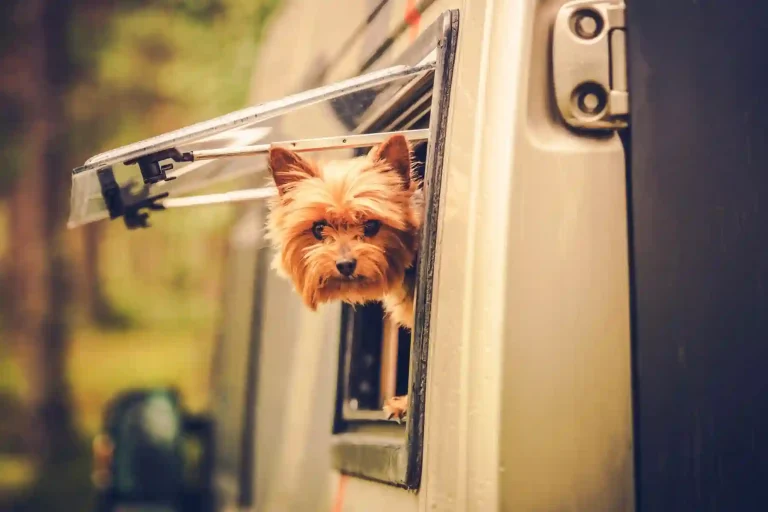
Camping with a pet can make an RV trip feel more complete. Instead of arranging boarding or asking someone else to provide care, you can bring your companion along and enjoy the campground together.
However, traveling with a pet requires more preparation than simply packing a leash and food bowl. Campground policies, weather, hydration, vehicle safety, neighboring campers, and the length of your stay can all affect the experience.
Families researching pet-friendly RV camping near Omaha should confirm the campground’s current rules before arriving, pack enough supplies for the full visit, and create a campsite setup that keeps pets comfortable without disturbing other guests.
Merritt Beach RV Park in Plattsmouth, Nebraska, welcomes pets under its current campground policies. The park allows a maximum of two pets per RV site unless management provides advance approval. Guests should review the full pet rules and discuss any questions or special circumstances before reserving.
The campground is primarily designed for seasonal and extended RV stays, with 125 permanent pads, water hookups, 30- or 50-amp electrical service, a swimming lake, a stocked fishing lake, beach access, bathrooms, a playground, and other outdoor amenities.
With a little planning, pet owners can enjoy a comfortable lakeside stay while helping keep the campground safe, organized, and welcoming for everyone.
Review Pet Policies Before Booking
The first step in planning an RV trip with a pet is confirming that the campground allows your animal and understanding the conditions that apply.
“Pet friendly” does not mean that pets can roam freely, enter every recreational area, or remain unattended for long periods. Each campground may have rules concerning the number of animals, leash use, supervision, noise, waste cleanup, visitors, and aggressive behavior.
Merritt Beach RV Park currently limits guests to two pets per RV site unless management approves an exception in advance. The park’s reservation information advises guests to review the current pet policies before arriving.
Before booking, provide accurate information about:
- The number of pets traveling with you
- The type and approximate size of each animal
- Your planned length of stay
- Any special accommodation needs
- Your RV dimensions and electrical requirements
- Whether you are requesting an overnight, monthly, or seasonal site
Do not assume that a policy from a previous visit is still current. Rules may be updated to reflect campground conditions, safety concerns, or management requirements.
It is also helpful to ask where pets are permitted. A campground may allow animals at RV sites and on approved roads while restricting them from swimming areas, playgrounds, bathrooms, pavilions, or other shared spaces.
Understanding those boundaries before arrival can prevent frustration and help you plan your pet’s daily routine.
Is Pet-Friendly RV Camping Near Omaha Right for Your Pet?
Not every pet enjoys camping.
Some dogs adjust quickly to new surroundings, outdoor activity, and unfamiliar people. Others become anxious around vehicles, neighboring animals, children, golf carts, lake activity, thunderstorms, or changes in routine.
Before planning pet-friendly RV camping near Omaha, consider how your pet normally responds to:
- Long or unfamiliar car rides
- New sleeping environments
- Other dogs
- Children running nearby
- Outdoor heat and humidity
- Sudden noises
- Campfires
- Storms
- Time inside the RV
- Changes in feeding or walking schedules
A pet that regularly becomes distressed, aggressive, destructive, or excessively vocal in unfamiliar settings may need gradual preparation before a long campground stay.
Start with shorter drives and brief RV visits. Give the pet time to become familiar with the vehicle while it is parked at home. Practice resting inside, entering and exiting calmly, and sleeping in the space before planning an extended trip.
A short overnight visit may also help you evaluate how your pet responds before committing to a monthly or seasonal site.
Pack a Dedicated Pet Camping Bag
Keeping all pet supplies in one place makes travel days and campground routines easier.
Pack enough food, medication, and other essentials for the entire stay, plus a small reserve in case weather, vehicle problems, or another delay extends the trip.
A practical pet camping bag may include:
- Regular food
- Treats
- Food and water bowls
- Fresh drinking water
- A standard leash
- A backup leash
- A harness or properly fitted collar
- Waste bags
- A pet bed or familiar blanket
- A secure crate or carrier
- Medications
- Vaccination records
- Identification information
- A recent photograph
- Towels
- Grooming supplies
- Flea and tick protection
- A pet first-aid kit
- Cleaning products
- Favorite toys
Bring the food your pet normally eats rather than introducing a new diet during the trip. Sudden food changes combined with travel stress may make the stay less comfortable.
Store food in a sealed container inside the RV. Do not leave bowls, treats, or food bags outside overnight where they could attract insects, wildlife, or neighboring pets.
Pet bowls, crates, toys, bedding, and other reusable supplies should also be cleaned regularly during longer stays. The CDC recommends cleaning hard pet items with soap or detergent and water and washing soft items such as bedding according to their care instructions.
Prepare Your Pet for the Drive
Travel safety begins before you reach the campground.
Pets should ride securely inside the tow vehicle or motorhome rather than moving freely around the cabin. A suitable crate, carrier, or vehicle restraint can help reduce distraction and protect the animal during sudden braking.
When towing a travel trailer or fifth wheel, never allow a pet to ride inside the trailer. The American Kennel Club advises keeping dogs secured in the same vehicle as their owners because a trailer can become dangerously hot and may expose the animal to exhaust or unstable movement.
Plan breaks during longer drives so your pet can:
- Drink water
- Relieve itself
- Stretch
- Calm down
- Have its restraint checked
Use a leash before opening any vehicle door. An unfamiliar parking area or gas station can be dangerous if a frightened pet escapes.
Keep the campground’s directions available before leaving home. Merritt Beach RV Park is a gated campground, and scheduled visitors should call ahead so staff can assist with entry. Current seasonal guests receive gate access under their lease arrangements.
Make Hydration a Daily Priority
Pets may need more water while camping because they are walking more, spending time outdoors, and adjusting to warmer weather.
Bring a dedicated supply of fresh drinking water and keep a clean bowl available at the campsite. Offer water frequently rather than waiting for the pet to appear extremely thirsty.
A practical routine includes offering water:
- Before leaving home
- During travel breaks
- Immediately after arrival
- Before and after walks
- After outdoor play
- After exposure to warm weather
- Before bedtime
Do not depend on a lake, puddle, or other natural water source for drinking. Outdoor water can contain bacteria, parasites, chemicals, or other contaminants. The CDC advises preventing pets from drinking or playing in potentially contaminated or stagnant water.
Keep the water bowl in a shaded location and refresh it regularly. Wash the bowl when it becomes dirty, slimy, or contaminated with food, insects, grass, or soil.
For walks around the campground, carry a portable bowl and enough water for both the pet and the person handling it.
Protect Pets From Heat Inside the RV
An RV can become dangerously warm if the air conditioner stops working, electrical service is interrupted, or the interior is exposed to direct sun.
Never assume that a pet is safe inside simply because the air conditioning was running when you left.
The American Veterinary Medical Association warns that vehicle temperatures can change quickly and create dangerous conditions for unattended pets.
The American Kennel Club recommends having a backup plan for power or air-conditioning failure when leaving a dog inside an RV. It also advises providing adequate water and ventilation.
A safer plan may include:
- Avoiding long periods when the pet is alone
- Using a reliable temperature-monitoring system
- Keeping emergency contact information visible
- Asking a trusted person to check the RV
- Confirming that the electrical connection is secure
- Maintaining working vents and fans
- Knowing where you can take the pet during an outage
- Planning activities that allow the pet to remain with you
Merritt Beach RV Park provides 30- and 50-amp electrical options, depending on the site. Confirm that the available connection can support your RV’s cooling needs before reserving.
Adapters do not increase the amount of power available. A large RV designed for 50-amp service may not be able to operate every appliance and air-conditioning unit normally on a 30-amp connection.
Build a Safer Pet-Friendly Campsite
A campsite should give your pet room to rest without creating hazards for people, neighboring animals, or campground traffic.
Choose a shaded area near the RV for the pet’s bed and water bowl. Keep the location away from vehicle paths, fire rings, electrical cords, grills, sharp equipment, and direct afternoon sun.
Avoid tying a long lead across a road, pathway, or area used by neighboring campers. A leash can become a tripping hazard or allow the pet to reach another RV site unexpectedly.
The safest arrangement depends on the animal, but may include:
- A standard handheld leash
- A secure exercise pen approved by the campground
- A crate inside the RV
- A short supervised tether within the site boundary
- A shaded resting area
- A designated food and water station
Supervision remains important even when the pet appears calm. Other animals, wildlife, bicycles, children, vehicles, and sudden noises can cause an unexpected reaction.
Keep the campsite free from loose fishing line, hooks, food scraps, charcoal, cleaning products, medications, and other items that could harm an animal.
Merritt Beach RV Park asks guests to keep their sites clean, organized, safe, and respectful of neighboring campers. Major site adjustments should be discussed with management before they are made.
Follow Good Campground Etiquette
Responsible pet ownership affects more than your own campsite.
Many campers are comfortable around animals, but others may be afraid, allergic, traveling with reactive pets, or simply interested in a quiet stay.
Good camper etiquette includes keeping your pet controlled and preventing it from approaching another person, child, animal, or campsite without permission.
Keep Pets Leashed
Even a well-trained pet may react differently in a new environment.
Keeping a dog leashed helps prevent encounters with vehicles, wildlife, unfamiliar pets, fishing equipment, and shared recreation areas. The AKC also recommends leash use around campgrounds for safety and consideration of neighboring guests.
Do not use campground roads or open areas as off-leash exercise spaces unless management has clearly designated them for that purpose.
Clean Up Immediately
Carry waste bags during every walk and dispose of pet waste in the correct campground receptacle.
Leaving waste behind creates odor, attracts insects, spreads germs, and affects the experience of other guests.
Bring more bags than you expect to use, especially for monthly or seasonal stays. Keep a small supply attached to the leash and another supply inside the RV.
Manage Barking
Occasional barking may happen, but repeated or prolonged noise can disturb neighboring sites.
Identify what triggers your pet and manage the environment accordingly. Closing curtains, providing a familiar bed, playing quiet background sound, or giving the pet a break inside the RV may help.
Do not leave a dog outside barking while you are away from the site.
Campground quiet hours apply to pet noise as well as music, conversations, engines, and other activity. Review the park’s current rules so your schedule and pet-care routine remain considerate.
Ask Before Allowing Greetings
Do not assume that another camper wants to meet your pet.
Ask before allowing a dog to approach an adult, child, or another animal. Keep greetings brief and controlled, and move away if either animal appears tense, fearful, or overstimulated.
Children should also be taught not to approach unfamiliar animals without the owner’s permission.
Keep Pets Away From Unsafe Water and Recreation Areas
A lakeside campground provides attractive recreation, but not every pet should enter the water.
Merritt Beach RV Park has a swimming lake, beach access, and a separate stocked fishing lake. Guests should confirm where pets are allowed and follow all current lake and beach rules.
Fishing areas may contain hooks, line, bait, fish remains, and slippery banks. Swimming areas may be busy with children and other guests.
Even a dog that enjoys water should remain supervised. Do not allow a pet to drink directly from the lake or enter an area where animals are prohibited.
After time near water, check the pet for:
- Fishing line
- Hooks
- Mud
- Burrs
- Ticks
- Irritated paws
- Wet ears
- Skin irritation
Dry the pet before allowing it onto bedding or upholstered RV surfaces. Keep a towel near the entrance so wet paws can be cleaned before the animal comes inside.
Plan Walks Around Weather and Campground Activity
Walk pets during cooler parts of the day, particularly during warm summer weather.
Early mornings and evenings may be more comfortable than midday. Before walking, test pavement, gravel, sand, or another exposed surface with your hand. If it feels uncomfortably hot, it may also be uncomfortable for your pet’s paws.
Bring water, waste bags, and a flashlight for evening walks. Use reflective equipment when visibility is limited.
Remain alert for:
- Vehicles
- Golf carts
- Bicycles
- Other pets
- Wildlife
- Fishing equipment
- Hot surfaces
- Storms
- Fireworks or special-event activity
Merritt Beach RV Park’s camping season runs from April 1 through October 31, so guests may encounter changing spring, summer, and fall conditions during a longer stay.
Pack for both warm and cool weather rather than assuming every visit will feel the same.
Prepare for Storms and Emergencies
Pets may behave differently during thunder, wind, fireworks, or another stressful event.
Keep a secure leash, carrier, medication, identification, and emergency supplies where they can be reached quickly.
A pet emergency kit may include:
- Several days of food
- Bottled water
- Medication
- Vaccination records
- A carrier or crate
- An extra leash
- Waste bags
- Towels
- A flashlight
- A first-aid kit
- Veterinary contact information
- A recent photograph
- An emergency contact outside the campground
The CDC recommends keeping pets controlled with a leash or carrier during stressful situations and maintaining current vaccinations and parasite prevention.
Save the contact information for your veterinarian and identify a clinic near the campground before beginning a long stay. Merritt Beach RV Park also maintains local emergency information for guests.
If your pet becomes ill, is injured, or behaves unusually, contact a veterinarian rather than waiting until the trip ends.
Prepare for Monthly or Seasonal Camping With Pets
A weekend trip may require only basic food, water, bedding, and walking supplies. A longer stay requires a more complete plan.
Merritt Beach RV Park is primarily designed around seasonal camping. Seasonal sites are available from April 1 through October 31, and monthly availability may vary. Guests can keep their RV on the same seasonal site throughout the operating period.
For monthly or seasonal pet-friendly RV camping near Omaha, think about how the pet will live at the campground from day to day.
Food Storage
Bring enough food or identify a nearby store that carries the same brand and formula.
Store dry food in a sealed container. Refrigerate fresh or canned food according to its instructions, and clean feeding utensils regularly.
The CDC advises following pet-food storage directions and cleaning bowls, scoops, feeding mats, and related supplies frequently.
Veterinary Care
Make sure prescriptions, flea and tick prevention, heartworm medication, and vaccination records remain current for the entire stay.
Ask your veterinarian whether any additional preventive care is appropriate for outdoor travel in Nebraska.
Keep enough medication on hand to avoid an interruption, particularly if the pet receives a prescription that may require advance refills.
Exercise Routine
A pet staying for several weeks needs a sustainable routine rather than occasional weekend walks.
Plan regular activity during cooler hours, quiet rest periods, feeding times, and opportunities for mental stimulation.
Bring toys, chews, puzzle feeders, or other familiar activities that can keep the pet occupied inside the RV during rain or extreme heat.
Grooming and Cleaning
Longer campground stays can expose pets to more dirt, dust, mud, insects, and plant material than their normal home routine.
Pack a brush, towels, paw-cleaning supplies, shampoo when appropriate, and tools for checking the coat after outdoor activity.
Wash bedding and clean crates, toys, bowls, and feeding areas regularly.
Temperature Management
The weather may change significantly between April and October.
Confirm that your heating, cooling, ventilation, and electrical systems are reliable. Maintain a backup plan in case power is interrupted or the RV system fails while you are away.
A comfortable long-term site should have enough shade, safe walking routes, and sufficient electrical service for the RV and season.
Choose a Site That Works for Your Pet
Site location can affect how easily your pet adjusts.
A waterfront or recreation-area placement may provide attractive views but may also have more people, children, activity, and noise. An interior site may provide a calmer environment for a pet that becomes overstimulated easily.
Merritt Beach RV Park offers seasonal placements throughout the campground, including interior sites, fishing-lake-view locations, and waterfront sites near the swimming lake.
When touring a possible site, consider:
- Shade during the hottest part of the day
- Distance from busy recreation areas
- Nearby vehicle and pedestrian traffic
- Space for supervised outdoor rest
- Electrical service
- Water-hookup location
- Distance from approved walking routes
- Proximity to neighboring pets
- Drainage after rain
- Noise during weekends and events
A site that is ideal for one family may not suit a nervous, reactive, elderly, or heat-sensitive pet.
Because Merritt Beach RV Park is gated, campground tours are available by appointment. This allows prospective guests to view possible sites and discuss availability without disrupting current campers.
Questions to Ask Before Reserving
Before booking pet-friendly RV camping near Omaha, ask the campground:
- How many pets are allowed per RV site?
- Is advance approval required for my pets?
- Are there size, type, or behavior restrictions?
- Where must pets remain leashed?
- Are pets allowed near the swimming or fishing lakes?
- Are there designated pet-walking areas?
- Can pets remain inside the RV while guests are away?
- What noise and supervision rules apply?
- Are pet fees or deposits required?
- Which site placements are available?
- Does the site have 30- or 50-amp electricity?
- Is there enough shade for a pet-friendly setup?
- What emergency veterinary services are nearby?
- Are monthly or seasonal sites available for the planned dates?
- Can the campground be toured before making a long-term commitment?
Merritt Beach RV Park currently permits up to two pets per RV site unless management provides prior approval. Since policies and availability may change, confirm the details directly before arriving.
Plan a Comfortable Stay for You and Your Pet
A successful camping trip with a pet depends on preparation, supervision, and respect for the shared campground environment.
Pack familiar food and bedding. Bring more water than you expect to need. Keep pets secure during travel, supervised at the campsite, and controlled around other guests. Plan for heat, storms, electrical interruptions, medical needs, and longer-stay routines before leaving home.
Merritt Beach RV Park offers a pet-friendly seasonal RV setting in Plattsmouth with permanent pads, water hookups, 30- and 50-amp electrical options, lake recreation, and access to Omaha-area communities. The campground allows a maximum of two pets per RV site unless management approves another arrangement.
Contact Merritt Beach RV Park with your RV dimensions, electrical requirements, preferred dates, desired stay length, and complete pet information. Review the current rules, ask about suitable site placements, and schedule a campground tour when considering a monthly or seasonal stay.
With responsible planning, pet-friendly RV camping near Omaha can give both owners and pets a comfortable place to relax, spend more time outdoors, and enjoy the camping season together.