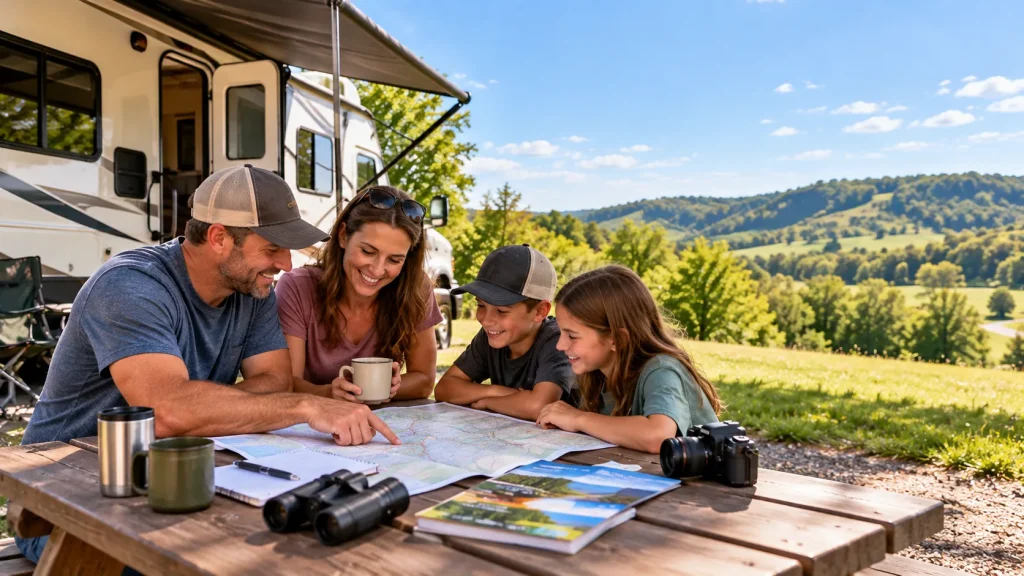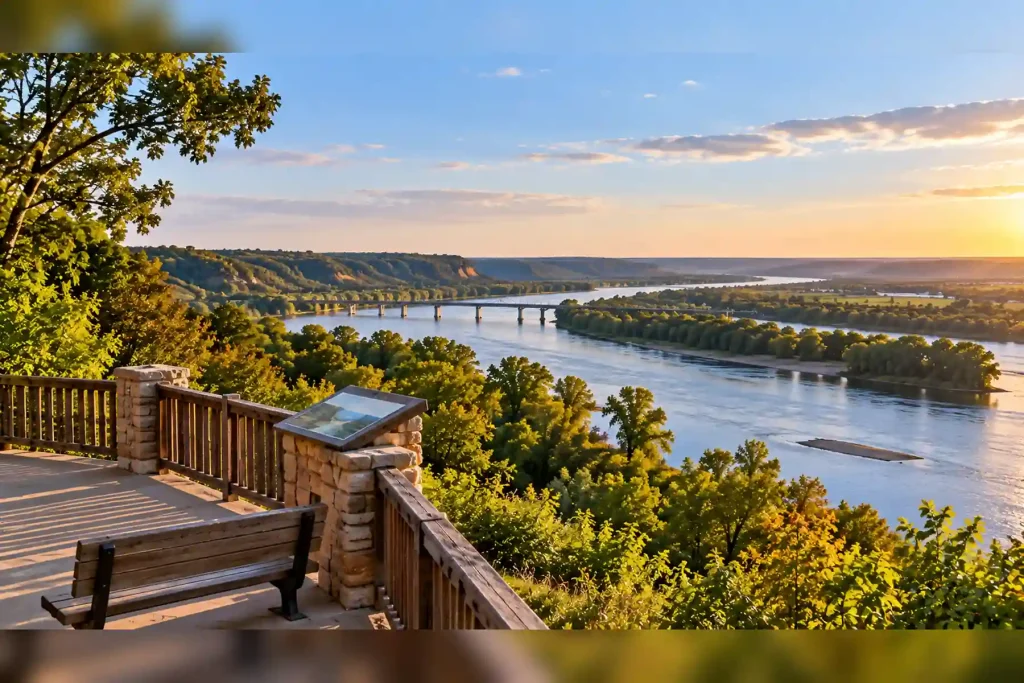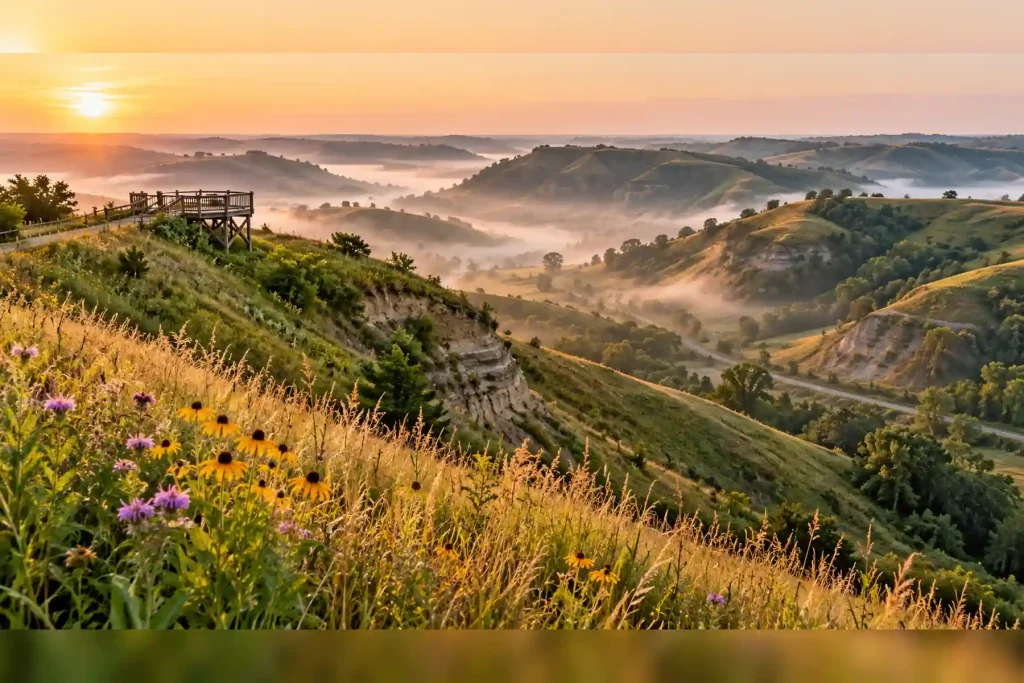
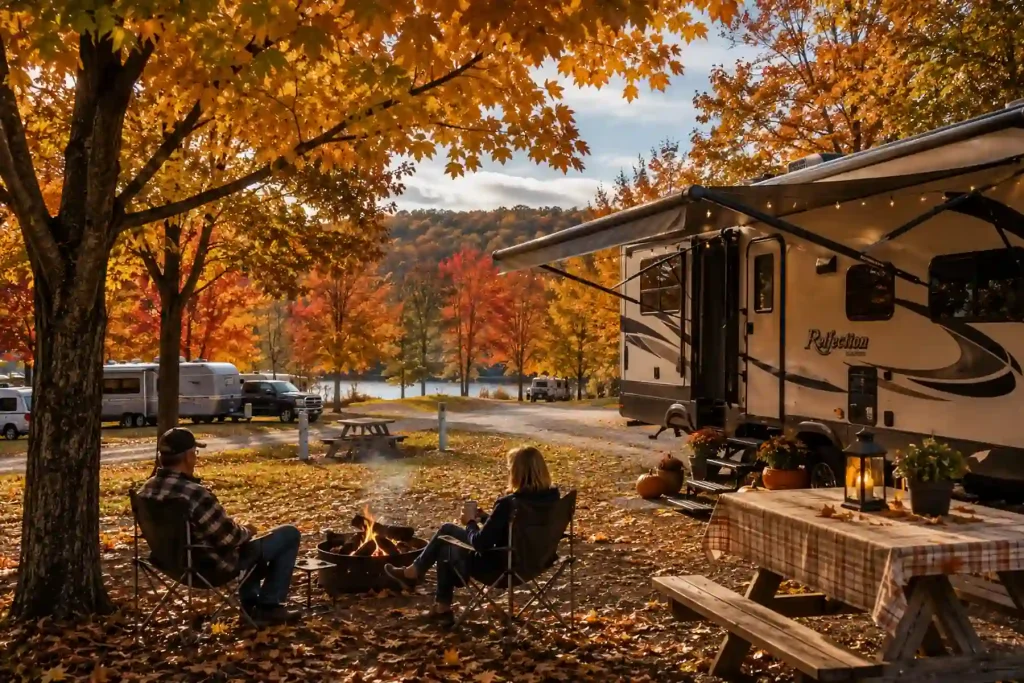
Summer may receive most of the attention when people think about RV camping, but fall can be one of the most enjoyable times to explore Nebraska.
Cooler days can make outdoor activities more comfortable. Crisp evenings are perfect for spending time around the campsite, and changing leaves can transform familiar landscapes into something completely different.
Fall can also mean fewer summer crowds and a slower pace for travelers who enjoy relaxing at their RV instead of packing every day with activities.
But fall RV camping in Nebraska requires a little more preparation than a midsummer trip.
Temperatures can change quickly. Warm afternoons can turn into chilly evenings, and frost or freezing temperatures become increasingly possible as the season progresses. The National Weather Service notes that frost can develop even when measured air temperatures remain above freezing under favorable conditions, while a freeze occurs when air temperatures reach 32°F or lower.
That means RV campers traveling in September or October should prepare for both comfortable daytime weather and colder nights.
Located in Plattsmouth, Merritt Beach RV Park gives campers a base for enjoying fall in eastern Nebraska while remaining within driving distance of Bellevue and Omaha. The campground’s regular camping season runs from April 1 through October 31, making September and October part of the park’s normal camping season.
Whether you are planning a weekend trip, a full week, or the final camping getaway of the year, these tips can help you prepare.
Why Fall RV Camping in Nebraska Is Worth It
Fall changes the RV camping experience.
You may not spend every afternoon trying to escape the heat. Instead, you can enjoy cooler mornings, comfortable outdoor meals, scenic drives, fishing, and evenings inside a warm RV.
Nebraska Tourism specifically promotes fall as a season for outdoor activities, including fall foliage, wildlife viewing, and fishing.
For RV travelers, autumn can be particularly appealing because you still have the comforts of your own rig while experiencing a different side of the camping season.
Some of the biggest reasons people enjoy fall RV trips include:
- Cooler Daytime Temperatures
- Crisp Evenings
- Fall Foliage
- Comfortable Hiking Weather
- Seasonal Fishing
- Scenic Drives
- Fewer Peak-Summer Travel Pressures
- More Time Around the Campsite
- End-of-Season Getaways
It is also an opportunity to use your RV before winter storage begins.
Instead of packing everything away immediately after summer, you can enjoy several additional camping weekends while the weather allows.
September and October Camping Can Feel Very Different
When planning a fall RV trip, do not think of the entire season as having the same conditions.
Early September may still feel like summer.
By late October, temperatures can be much colder, daylight is shorter, and frost or freezing nights become more likely.
That means your packing list for a Labor Day trip could be very different from what you need near Halloween.
As your trip approaches, check the actual forecast rather than relying on what the weather was like during the same week last year.
Pay attention to:
- Daytime Highs
- Overnight Lows
- Wind
- Rain Chances
- Frost Advisories
- Freeze Warnings
- Severe Weather
- Sunrise and Sunset Times
The National Weather Service Omaha/Valley office provides local weather information for eastern Nebraska and explains that frost formation depends on several factors, including temperature, wind, moisture, sky conditions, and local terrain.
For RV campers, the important lesson is simple:
Prepare for colder conditions than the daytime forecast alone may suggest.
Check the Forecast Several Times Before Your Trip
Fall weather can influence more than what clothing you wear.
Cold temperatures may affect:
- RV Plumbing
- Water Hoses
- Batteries
- Outdoor Furniture
- Cooking Plans
- Fishing Conditions
- Travel Times
- Campsite Setup
Check the forecast when you begin planning, then check it again shortly before departure.
If nighttime temperatures are expected to approach freezing, your RV preparation should change accordingly.
You may need to consider protecting exposed water lines or adjusting how you use the campground’s water connection.
If conditions become significantly colder than expected, it may also be better to shorten or reschedule the trip rather than risk plumbing damage.
Know When Freezing Temperatures Become a Concern
RVs contain water lines, valves, hoses, tanks, and fittings that can be damaged by freezing water.
A single brief cold night does not automatically mean your entire plumbing system will freeze, but campers should take freezing forecasts seriously.
The National Weather Service defines a freeze as temperatures of 32°F or lower and a hard freeze as temperatures reaching approximately 28°F or lower for an extended period.
If freezing temperatures are forecast during your trip:
- Review Your RV Manufacturer’s Cold-Weather Guidance
- Protect Exposed Water Lines
- Consider Disconnecting the Freshwater Hose Overnight
- Keep Interior Plumbing Areas Warm When Appropriate
- Monitor Tanks and Valves
- Avoid Leaving Vulnerable Plumbing Unprotected
RV designs vary considerably.
Some rigs are built for extended cold-weather use, while others have exposed plumbing that can freeze more easily.
Know your RV before deciding how late into the season you are comfortable camping.
Inspect Your RV Heating System Before Leaving Home
Do not discover that your furnace has a problem after the temperature drops.
Before your fall camping trip, test your RV’s heating system.
Confirm that:
- The Furnace Starts Properly
- Warm Air Reaches the Living Areas
- Thermostat Controls Work
- Propane Supply Is Adequate
- Vents Are Clear
- Carbon Monoxide Detectors Work
- Smoke Detectors Work
If you use propane appliances, inspect the system according to manufacturer recommendations.
Never use outdoor cooking equipment, grills, or other devices not designed for indoor heating as a substitute for an RV furnace.
Understand Your Electrical Needs
Fall camping can change how you use campground electricity.
During summer, your biggest electrical demand may be air conditioning.
During cooler weather, you may use:
- Electric Space Heaters
- Coffee Makers
- Microwaves
- Electric Water Heaters
- Hair Dryers
- Other Appliances
Using several high-demand appliances simultaneously can overload a 30-amp RV system.
Merritt Beach RV Park currently offers 30- and 50-amp electrical service, depending on the campsite, along with water hookups.
Know whether your RV requires 30 or 50 amps when requesting a site.
If you plan to use electric heating equipment, understand your RV’s electrical capacity before plugging in multiple appliances.
Pack Clothing You Can Layer
Fall weather rewards campers who pack in layers.
Instead of bringing one heavy coat and assuming that will solve everything, pack clothing that can be added or removed as temperatures change.
Useful fall camping clothing may include:
- T-Shirts
- Long-Sleeve Shirts
- Sweatshirts
- Fleece Jackets
- Insulated Jackets
- Rain Jackets
- Long Pants
- Warm Socks
- Comfortable Walking Shoes
- Waterproof Footwear
- Hats
- Gloves
A sunny afternoon may be comfortable in a light shirt.
A few hours later, you may want several layers.
Layering also makes it easier to adjust when moving between the heated RV and the outdoors.
Bring Extra Bedding
Your RV furnace can keep the interior comfortable, but extra bedding is still useful.
Pack:
- Additional Blankets
- Warm Sheets
- Sleeping Bags When Appropriate
- Extra Pillows
Even if you never need them overnight, blankets can be useful while sitting outside in the evening.
If guests are sleeping in bunks, converted dinettes, or other areas farther from heating vents, make sure those spaces remain comfortable as well.
Prepare for Shorter Days
One of the biggest differences between summer and fall camping is the amount of daylight.
You may arrive at your campsite later than expected and discover that setup has to happen after sunset.
Bring reliable lighting.
Useful equipment includes:
- Flashlights
- Headlamps
- Lanterns
- Campsite Lighting
- Spare Batteries
A headlamp can be particularly helpful because it keeps both hands free while you connect utilities, level the RV, or handle equipment.
Try to arrive before dark whenever possible.
Setting up an unfamiliar campsite is easier when you can clearly see the electrical pedestal, water connection, surrounding trees, and ground conditions.
Make Your Outdoor Campsite Comfortable
Cool fall weather does not mean you need to remain inside the RV.
A few simple items can make the outdoor campsite much more enjoyable.
Consider bringing:
- Comfortable Camp Chairs
- Outdoor Blankets
- Weather-Resistant Mat
- Warm Drinks
- Outdoor Lighting
- Appropriate Cooking Equipment
- Rain Protection
Check campground rules before using fires, grills, or other cooking equipment.
Fire restrictions and campground policies can change based on conditions.
Never assume that a fire is permitted simply because it is cold outside.
Fall Is a Good Time to Slow Down
Summer camping itineraries can become packed with swimming, attractions, events, and long days outside.
Fall trips often work better at a slower pace.
Instead of trying to fit several attractions into one day, consider planning one main activity and leaving the rest of the schedule flexible.
A fall camping day might include:
Morning: Coffee at the RV and a relaxed breakfast.
Late Morning: Short scenic drive or local exploration.
Afternoon: Fishing or campground recreation.
Evening: Dinner at the campsite followed by a quiet night in the RV.
The goal does not have to be seeing everything.
Sometimes the point of a fall camping trip is simply enjoying the campground before the season ends.
Fall Fishing Can Be Part of the Trip
Fishing does not disappear when summer ends.
Nebraska Tourism specifically highlights fall fishing as one of the state’s seasonal outdoor activities.
Merritt Beach RV Park includes access to a stocked fishing lake as part of its campground setting.
If fishing is part of your fall trip, bring:
- Appropriate Fishing Gear
- Weather-Appropriate Clothing
- Rain Protection
- Cooler
- Chair
- Sun Protection
- Valid Licenses When Required
Fishing conditions change with water temperature, weather, and time of day.
Check current Nebraska fishing regulations and licensing requirements before participating.
Enjoy Nebraska’s Fall Scenery
Fall camping gives you an excuse to spend time outside your normal travel routes.
Nebraska Tourism promotes numerous outdoor destinations throughout the state, including state parks, lakes, rivers, scenic drives, recreation areas, and wildlife destinations.
You do not need to tow your RV to every attraction.
For many travelers, a better approach is to establish a campground home base and explore using a tow vehicle or towed car.
From eastern Nebraska, fall day trips can include:
- Scenic Drives
- State Parks
- Hiking Areas
- Small Towns
- Local Restaurants
- Historic Sites
- Outdoor Recreation Areas
The Plattsmouth area also places RV travelers within reach of destinations around Omaha, Bellevue, Louisville, and other parts of southeast Nebraska.
Consider a Visit to Nearby State Parks
Nebraska has numerous state parks and recreation areas, including options in the eastern part of the state.
Nebraska Tourism lists destinations such as Platte River State Park, Mahoney State Park, and Indian Cave State Park among its state park offerings.
A campground stay can serve as your base while you explore one of these areas during the day.
Before traveling, check each park’s current:
- Operating Hours
- Entrance Requirements
- Trail Conditions
- Activity Availability
- Seasonal Closures
Fall schedules can differ from peak-summer schedules.
Keep Rain in Your Trip Plan
A beautiful fall weekend can still include rain.
Pack with the expectation that at least part of your trip may be wet.
Bring:
- Rain Jacket
- Waterproof Shoes
- Extra Towels
- Indoor Activities
- Entry Mat
- Dry Storage Containers
Wet leaves and muddy campsites can also create slipping hazards.
Keep your RV steps and entrance area clean and dry.
If rain is heavy, avoid forcing outdoor activities simply because they were listed on your itinerary.
A rainy afternoon inside the RV can be a perfect time to cook, read, watch a movie, or plan the following day’s activities.
Watch for Wind
Nebraska weather can include windy conditions during any season.
Wind matters more to RV travelers than it does to someone driving a standard passenger vehicle.
Strong winds can affect:
- Towing
- High-Profile Motorhomes
- Awnings
- Outdoor Furniture
- Portable Canopies
- Campsite Decorations
Retract your awning when leaving the campsite or when wind conditions become questionable.
Secure lightweight outdoor items.
If severe winds are expected during travel, reconsider your departure time or route.
A flexible schedule is one of the advantages of RV travel.
Use it.
Fall Camping With Pets Requires Cold-Weather Planning Too
Pets may also experience fall temperatures differently from summer conditions.
Bring appropriate:
- Bedding
- Towels
- Food
- Water
- Leashes
- Waste Bags
Do not assume that a pet comfortable outdoors during a sunny afternoon will remain comfortable after temperatures drop at night.
Merritt Beach has campground pet policies that guests should review before arrival.
Confirm current pet requirements when making your reservation, particularly if you are traveling with multiple animals.
Prepare Easy Cold-Weather Meals
Fall is a great season for warm campground meals.
Instead of depending entirely on outdoor grilling, have meal options that can be prepared safely inside your RV when weather becomes cold or rainy.
Ideas include:
- Soups
- Chili
- Pasta
- Stews
- Sandwiches
- Breakfast Skillets
- Oatmeal
- Hot Drinks
Plan meals around your RV kitchen and available electrical capacity.
If using multiple electric cooking appliances, remember that a 30-amp RV may require you to manage power use carefully.
Keep Your Freshwater Hose in Mind
During warmer months, many campers connect the water hose and forget about it until departure.
Late-season camping may require more attention.
If overnight temperatures are expected to approach freezing, an exposed water hose can become vulnerable.
Depending on your RV, weather conditions, and manufacturer recommendations, you may need to:
- Disconnect the Hose Overnight
- Drain the Hose
- Store It Inside
- Use Appropriate Cold-Weather Equipment
Do not improvise heating systems around water lines or campground equipment.
Use equipment specifically designed for RV use and follow campground policies.
Monitor Your Holding Tanks
Merritt Beach provides water and electric service, but individual seasonal sites do not have sewer hookups. Local pump-out providers service the campground.
During cooler weather, it is still important to monitor:
- Gray Tank
- Black Tank
- Freshwater System
Do not allow wastewater issues to become a problem late in your stay.
If you expect cold weather, consider whether holding tanks or exposed valves require additional protection based on your RV’s design.
Inspect Your Tires Before Fall Travel
Cold temperatures can affect tire pressure.
Before towing or driving your motorhome:
- Check Tire Pressure
- Inspect Sidewalls
- Check Tread
- Inspect Valve Stems
- Look for Damage
- Verify Spare Tire Condition
Follow the RV or tire manufacturer’s inflation recommendations.
Do not rely solely on how a tire looks.
RV tires can appear properly inflated even when pressure is lower than recommended.
Check Your RV Battery
Cooler temperatures and heavier furnace use can increase your reliance on batteries.
Before departure:
- Check Battery Condition
- Confirm Charge Level
- Inspect Connections
- Test Your Charging System
Your furnace may use propane for heat but still require 12-volt electricity to operate fans and controls.
A poorly maintained battery can therefore become a problem during cold nights.
Carry Basic Emergency Supplies
Fall travelers should be prepared for unexpected weather or travel delays.
Keep items such as:
- Drinking Water
- Food
- Flashlights
- First-Aid Supplies
- Phone Chargers
- Weather Radio or Alerts
- Basic Tools
- Warm Clothing
- Blankets
If traveling later in October, your vehicle emergency kit should also reflect the possibility of colder weather.
Check Road Conditions Before Leaving
Weather conditions can affect travel even when your campsite itself is comfortable.
Rain, fog, wind, roadwork, and colder temperatures may affect your route.
Check official weather and transportation information before leaving home and again before departure from the campground.
This becomes especially important late in the season when conditions can change rapidly.
September May Be Better for Some Campers
If you like fall atmosphere but prefer milder conditions, September may be the better choice.
You may still experience warm afternoons while benefiting from cooler evenings.
September can work well for:
- Families
- New RV Owners
- Campers With Less Cold-Weather Equipment
- Travelers Planning Outdoor Activities
- People Who Prefer Longer Daylight
However, weather varies from year to year.
Always plan around the forecast rather than the calendar alone.
October Offers a Different Camping Experience
October RV camping can feel much more seasonal.
You may encounter:
- Cooler Mornings
- Colder Nights
- Changing Leaves
- Shorter Days
- Greater Frost Potential
- More Need for RV Heating
For experienced RV campers who enjoy cooler weather, October can be a memorable end to the season.
Merritt Beach’s regular camping season currently continues through October 31, giving guests the opportunity to enjoy late-season camping before winter storage begins.
If you plan an October trip, however, prepare more conservatively than you would in early September.
Fall Camping Can Help You Prepare for Winter Storage
Your final camping trip of the season is also a good opportunity to identify anything your RV needs before winter.
During the trip, make note of:
- Plumbing Issues
- Roof Leaks
- Seal Problems
- Battery Weakness
- Tire Concerns
- Furnace Problems
- Appliance Issues
It is easier to repair these items before winter storage than to discover them when the next camping season begins.
Seasonal guests at Merritt Beach may have offseason storage available when eligibility requirements are met for the following season.
Regardless of where the RV is stored, complete proper winterization after your final trip.
Fall RV Camping Checklist
Before leaving home, review this basic checklist:
- Check Daytime and Overnight Forecasts
- Confirm Campground Availability
- Test RV Furnace
- Check Propane Supply
- Check Smoke and CO Detectors
- Inspect Tires
- Check Battery
- Confirm 30- or 50-Amp Requirements
- Pack Layers
- Bring Extra Blankets
- Pack Rain Gear
- Bring Flashlights or Headlamps
- Check Water-System Cold Protection
- Bring Easy Cold-Weather Meals
- Secure Outdoor Equipment
- Review Pet Supplies
- Check Road Conditions
- Plan for Shorter Daylight
- Review Your Winterization Plan
A little additional preparation can make fall camping considerably more comfortable.
Why Merritt Beach Works for a Fall RV Trip
Merritt Beach RV Park is located in Plattsmouth, Nebraska, within driving distance of Bellevue and Omaha.
The campground is designed around RV camping and outdoor recreation, with features that include water hookups, 30/50-amp electrical service, a swimming lake, fishing lake, and recreation areas.
Nebraska Tourism highlights camping, fishing, scenic drives, wildlife, lakes, rivers, and state parks among the outdoor experiences available throughout the state, making a fall campground stay a natural base for exploring the region.
Instead of rushing through eastern Nebraska during a road trip, you can stay several days and experience the area at a slower pace.
Plan Your Fall RV Camping Trip in Nebraska
Fall RV camping is different from summer camping, and that is exactly what makes it appealing.
The cooler weather encourages slower mornings, warm meals, fishing, scenic drives, and evenings spent relaxing at your campsite.
The key is preparation.
Watch overnight temperatures.
Know how your RV handles cold weather.
Test the furnace.
Pack layers.
Protect your plumbing when freezing temperatures are possible.
Bring enough lighting for shorter days.
Most importantly, remain flexible.
If the weather changes, adjust your plans rather than forcing the trip to follow a rigid schedule.
Merritt Beach RV Park’s camping season runs through October 31, giving RV travelers time to enjoy September and October camping near Plattsmouth, Bellevue, and Omaha before the campground transitions into its offseason.
Whether you are planning one final weekend, spending a week exploring eastern Nebraska, or finishing another seasonal camping year, fall can be a rewarding time to take the RV out before winter arrives.
Call Merritt Beach RV Park at 402-979-1196 or request site availability online to confirm fall availability, your RV requirements, current rates, and campsite options before the October 31 end of the camping season.